
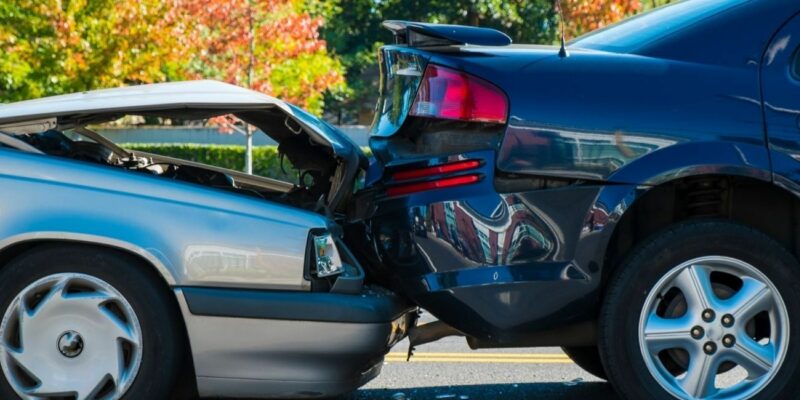
Traffic Accident Advice & Information...
Sometimes, no matter how careful we are, accidents happen - that's a fact of life. In the unfortunate event an accident does occur, it can often lead to a number of questions and uncertainty. We try and answer some of the main questions should the unfortunate occur.

Drive Safely: Busting The Myths Around Road Safety
We are currently seeing more cars on the road than ever after our driving habits changed during the pandemic. Not only are people choosing to drive instead of using public transport, but they are also buying cars.

Tips on how to avoid traffic
We’ve all been there – stuck behind the wheel, frustrated at the lack of progress in front of us as we crawl forward at a snail’s pace. Unfortunately, traffic is an inevitable part of life on the road, and most of the time it feels like there’s little we can do to avoid the congestion we find ourselves caught up in.

Driving Whilst Tired
Driving to work while still half asleep is something that lots of us do every single morning, and many motorists will admit to driving when we think we might actually be too tired to do so safely.

Car Insurance Explained: Everything You Need To Know
There are few things more exciting than getting a new car. The smooth acceleration, the responsive brakes, that distinctive smell – it all adds to the thrill. But while many of us take great pleasure in driving, there are some aspects of car ownership that are less enjoyable.

The Best Dash Cam For Your Car
The UK’s road traffic is undoubtedly busy and congested, meaning safety is still a major challenge on our roads.

Appropriate Footwear When Driving
Your brand new pair of Jimmy Choos might look fantastic but certain footwear is just not suitable for driving in. Even something as simple as changing gears could cause a serious accident in the wrong type of shoes.

What can fail an MOT: Common problems and what you can do about them
Any dangerous or major defects mean your car poses a risk to road safety or has the potential to have an impact on the environment. In either of these cases, you should not drive the vehicle and the repairs should be carried out immediately, otherwise your car will not be deemed legally roadworthy.

Safety Role of VOSA
Since then, VOSA has had a number of goals. First of all, it aims to improve the standards of roadworthiness of vehicles. Secondly, it works to make sure that road operators and drivers comply with road traffic legislation. Finally, it supports the Traffic Commissioners. These are an independent group with a number of road safety and legal duties. VOSA supports these goals with a variety of testing, enforcement and licensing services.

10 Essential Summer Driving Safety Tips
Anyone living in Britain knows that when it comes to the weather, anything other than wind and rain is something of a rarity! But that doesn’t mean we shouldn't be properly prepared for hitting the road during our short-lived periods of glorious summer sun.

Skidding and How to Avoid It
Have you ever experienced a skid when driving? It can be an unnerving experience to suddenly feel that you are losing control over your vehicle, even for just a split second. Skidding can be extremely dangerous and is often the cause of traffic accidents. This article looks at the reasons behind skidding and the steps that you can take in order to avoid skidding.

A Guide To Safe Motorway Driving
Whether you’re only an occasional driver or a regular long-distance commuter, it’s highly likely that you’ve enjoyed or endured motorway driving at some stage during your life, with 69 billion vehicle miles clocked up on Great Britain’s major roads in 2018 according to the Department for Transport.
DISCOVER MORE
Visit our YouTube channel, where you can find more car reviews and walkarounds by our fantastic experts.
Related articles

Traffic Signs and Meanings
If you are you confused by the many different traffic signs in the UK, this is the website for you. Even for experienced drivers, getting your head around all of...
Read more...
Overtaking Slower Traffic Legally
Overtaking is one of the most dangerous manoeuvres that any motorist can execute. Some people view overtaking as scary, as they want to make sure that they complete the overtake...
Read more...
Tips On How To Avoid Traffic
We’ve all been there – stuck behind the wheel, frustrated at the lack of progress in front of us as we crawl forward at a snail’s pace. Unfortunately, traffic is...
Read more...